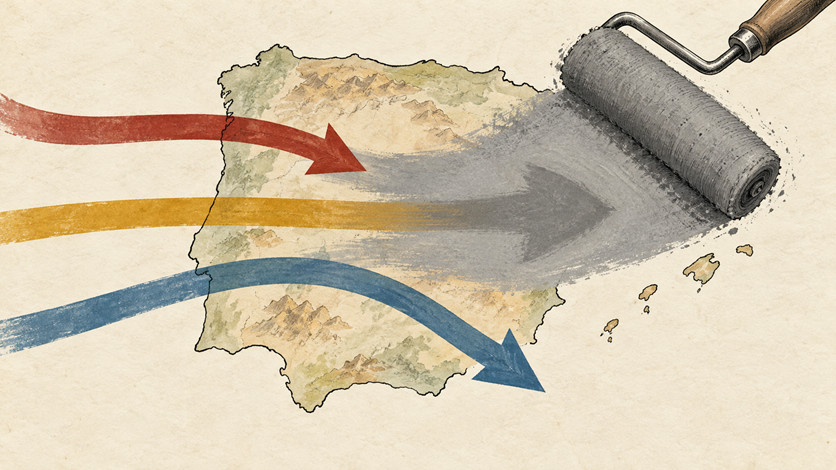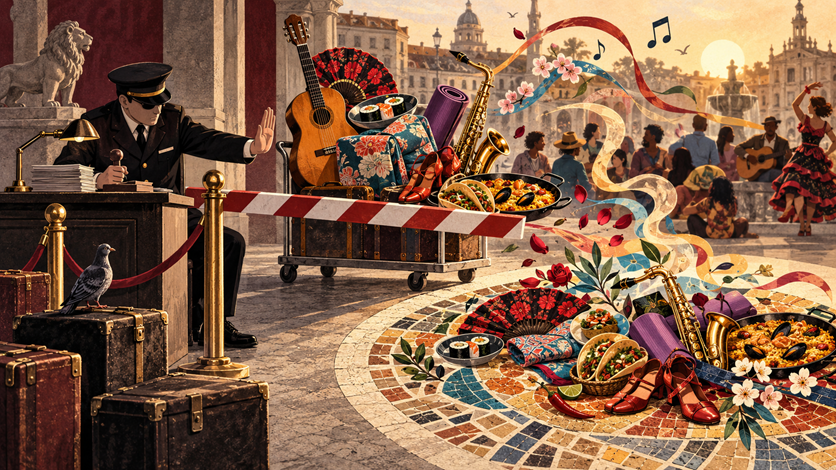
Cultural appropriation is a concept used to describe the adoption, by an individual or a group, of elements belonging to another culture, such as clothing, hairstyles, music, recipes, symbols or traditional practices. The term is used especially when there is an imbalance of power between the culture from which those elements originate and the culture that incorporates them. A well-known example is Rosalía, who has been accused in some quarters of appropriating flamenco and certain elements of Andalusian and Roma cultures despite being neither Andalusian nor a member of the Roma community.
Cultural expressions do not have owners. They do not come with a notarised deed specifying who may cook a recipe, perform a particular kind of music, learn a dance, wear a garment or adopt a particular hairstyle. Culture is transmission, imitation, adaptation, blending and borrowing. That is precisely why it exists. If every people had kept its customs sealed inside a glass case, shutting out every outside influence, our cultures today would not be purer, but far poorer. Of course, the concept of “cultural appropriation” stems from a reasonable concern. A tradition can be mocked, stripped of its meaning or commercially exploited without acknowledging those who created it.
Up to that point, there is nothing particularly absurd. The nonsense begins when respect is confused with exclusive ownership.
According to that logic, a person would have to seek some form of collective permission before making sushi, practising yoga, playing flamenco, wearing a kimono, having dreadlocks, dancing salsa or preparing tacos. The problem is that nobody knows who could grant such permission. Cultures are neither companies with a chief executive nor unanimous communities capable of issuing licences.
Who does flamenco belong to? To all Spaniards? Only to Andalusians? To the Roma community? To those who have spent years studying it? Can it be sung by a Japanese person who has studied it and knows its history better than most Spaniards? Can someone from Seville play jazz? Should a Peruvian chef have to ask permission to make paella?
Almost no tradition is as pure as it appears. Cultures have spent centuries copying, blending with and transforming one another. Food crosses continents, instruments change hands, words travel from one language to another and religions absorb earlier rites. Many things we now regard as profoundly national arose from combinations, borrowings and foreign influences.
There is also a curious contradiction. Equality, understanding between peoples and cultural intermingling are championed; at the same time, every person is expected to remain within the cultural repertoire assigned to them by virtue of their origins. The aim is to tear down borders between human beings while erecting customs barriers around culture.
That is not multicultural coexistence. It is segregation dressed in progressive language.
If someone learns, admires, cooks, performs, adapts or blends something from another culture, perhaps they are not stealing it. Perhaps they are doing exactly what humankind has done since two different clans first encountered each other.
Culture is truly impoverished only when it ceases to circulate, merge and expand towards new horizons.